Uncover the epic history of Clan Lindsay - https://fairbairncrests.com/products/the-complete-history-of-clan-lindsay-digital-edition
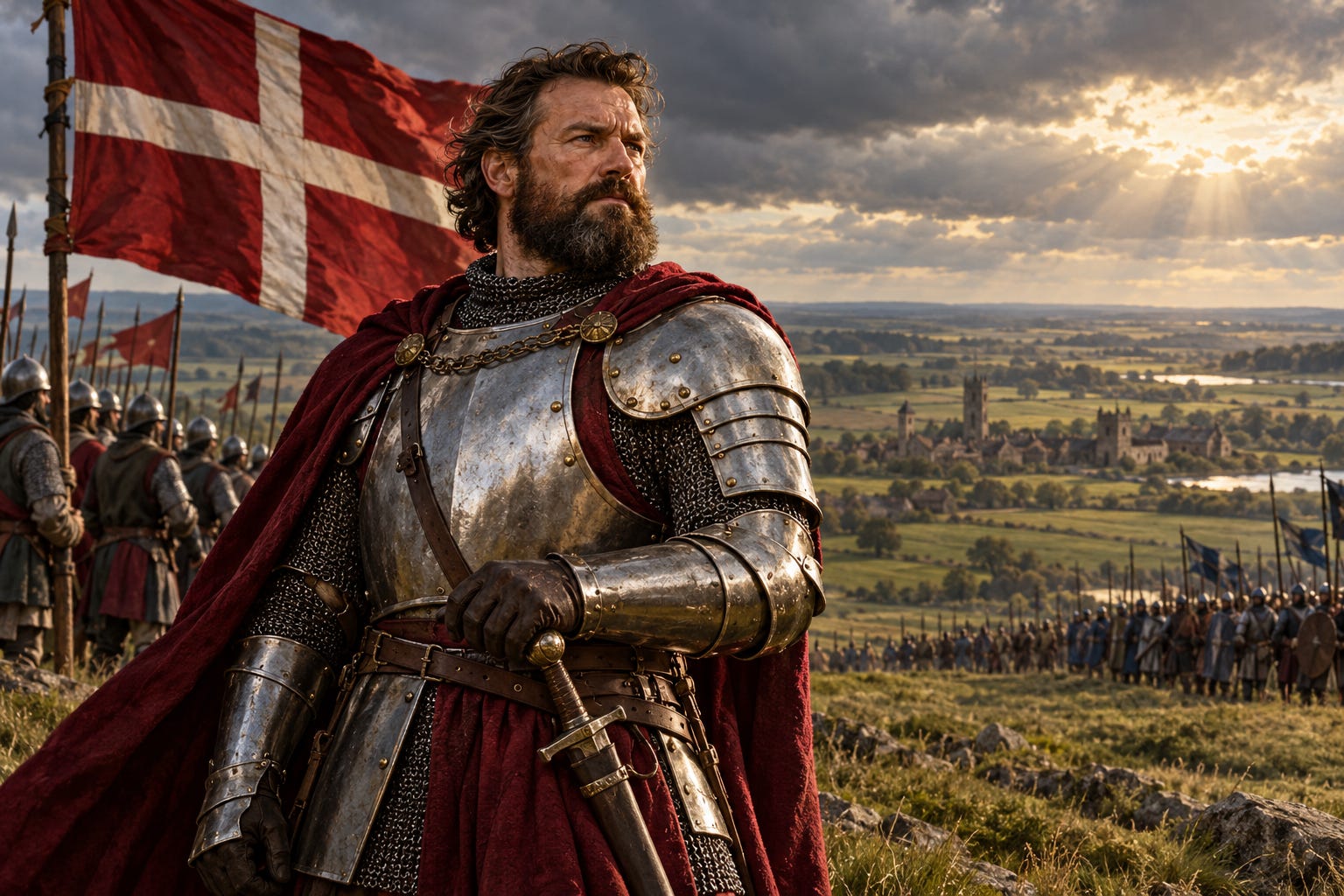
A king killed a powerful earl inside Stirling Castle, and Scotland’s political tensions erupted into open conflict. Within months, Alexander Lindsay, fourth Earl of Crawford, stood on the losing side of a battle that threatened his lands, authority and family’s future. Remembered as “Earl Beardie” and the “Tiger Earl,” he became one of the most striking figures in Lindsay history. Yet behind those fierce nicknames was a nobleman whose career involved government, alliances and the difficult business of survival.
His story raises a question that runs through medieval Scotland: how much power could a great lord exercise before a king decided he had become dangerous? Crawford’s standing rested on estates, offices and relationships that gave him influence across the northeast. Those resources made him useful to the crown, but they also gave him the means to resist it. In 1452, the balance between service and opposition broke down.
Alexander inherited the Crawford earldom in 1446, following his father’s death in the conflict at Arbroath. That struggle grew from competing claims to authority around the abbey and drew the Lindsays and Ogilvies into violent confrontation. The inheritance therefore brought more than a title and valuable property. It also carried grievances, obligations and enemies that the new earl had to manage.
The nickname “Tiger Earl” makes it easy to imagine Alexander as a man concerned only with fighting. His recorded career presents a broader picture, placing him within parliamentary, judicial and diplomatic business. He belonged to the political society of the kingdom and exercised responsibilities within it. Understanding that position makes his rebellion more revealing: this was an established participant in government turning against royal authority.
Crawford’s alliance with William Douglas, eighth Earl of Douglas, placed him within a much larger struggle. The Douglas house possessed immense influence, and cooperation between powerful magnates could offer protection against rivals. To the nobles involved, such relationships could strengthen their security. To James II, they could look like a competing centre of power within his kingdom.
In February 1452, James killed Douglas at Stirling Castle. Historical accounts connect the confrontation with the king’s demand that Douglas abandon his alliance with Crawford and the Lord of the Isles. Whatever uncertainty surrounds the encounter’s precise words and gestures, the killing transformed the political situation. An alliance that had challenged royal confidence now became part of a crisis involving armed resistance.
James depended on powerful supporters of his own, including Alexander Gordon, Earl of Huntly. The crown could not enforce its wishes across Scotland through royal orders alone. It needed men with local influence, resources and followers capable of confronting other great lords. Crawford’s struggle with the king therefore brought him into conflict with another regional power.
On 18 May 1452, Huntly defeated Crawford’s following at the Battle of Brechin. The encounter is associated with ground northeast of the town, around Huntly Hill. Its outcome dealt a serious blow to Crawford’s position and strengthened the king’s cause. The celebrated Tiger Earl’s reputation could not protect the political structure on which his authority depended.
Later accounts explain the defeat partly through the withdrawal or desertion of a subordinate and his men. Some identify a dispute over property as the grievance behind that decision. These stories should be presented as reported explanations rather than a fully verified reconstruction of the fighting. Even so, they point towards an essential feature of medieval warfare: a lord’s strength depended on cooperation that could fail under pressure.
Following a nobleman did not mean surrendering every other loyalty or interest. Landholders and local leaders could bring their own ambitions, disputes and expectations into an army. Crawford’s defeat consequently suggests more than a contest between two commanders. It exposes the vulnerability of power assembled through personal relationships.
For the Crawford household, the consequences reached beyond the battlefield. Forfeiture threatened the earl’s rights and property, while political isolation made continued resistance increasingly difficult. His dependants also had a stake in what happened next. The survival of an aristocratic house involved tenants, servants, relatives and others whose livelihoods could suffer when its head fell from favour.
Crawford eventually reached a reconciliation with James II. Later storytelling gave that settlement a memorable scene at Finhaven Castle, where the king supposedly fulfilled a vow to bring the castle’s highest stone to the ground by throwing down a single stone. The gesture allowed royal honour and the earl’s home to survive together. It is an effective story about mercy and authority, but its dramatic details should not be mistaken for an independently verified eyewitness account.
The more important historical development was Crawford’s return to recognised obedience. His remaining public responsibilities indicate that rebellion did not permanently exclude him from service. A king could punish a lord and still find reasons to preserve his house. For Crawford, accepting royal authority helped protect the inheritance that would pass to his son David.
Other traditions took Earl Beardie much further from the world of records and political settlements. Supernatural tales associated his name with gambling, punishment and defiance continuing beyond death. Their lasting appeal shows how readily a fierce nobleman could become a character in folklore. They tell us about his later reputation, but they cannot establish what he did in life.
The historical Alexander Lindsay remains compelling without those embellishments. He inherited a troubled position, pursued a powerful alliance, suffered defeat and found a path back into the political order he had challenged. His story reveals how closely ambition and vulnerability could coexist in medieval Scotland. Even an earl remembered as a tiger depended on people and institutions he could not entirely control.
The Complete History of Clan Lindsay: Land, Kinship and a Changing Scotland places Earl Beardie within the wider history of the Crawford family. It follows the estates, marriages, rivalries and royal relationships that shaped successive generations, while distinguishing documented events from later tradition. If this encounter with the Tiger Earl has sparked your curiosity, discover the larger Lindsay story in the book, available in EPUB, KPF and PDF formats.
References
Henderson, T. F. (1893). Lindsay, Alexander (d. 1454). In S. Lee (Ed.), Dictionary of national biography (Vol. 33, pp. 282–283). Smith, Elder & Co. Wikisource, the free online library
Historic Environment Scotland. (n.d.). Huntly Hill. Trove.